How I use AI
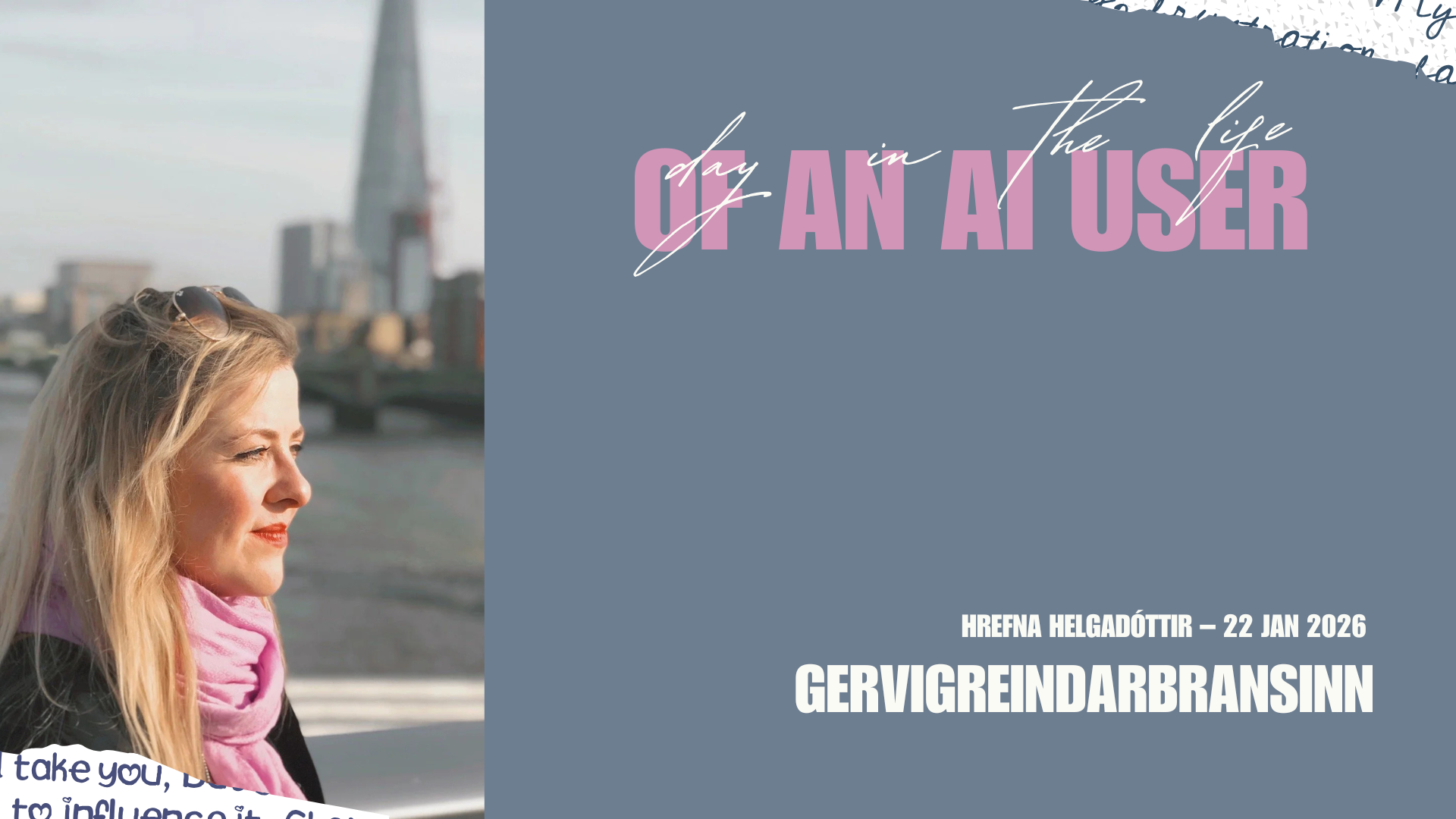
On January 22 I was asked to do a 10-minute presentation: “Day in the life of an AI-user” at Hjálmar Gíslason’s Reykjavík AI-industry meet-up. The event is from a tech perspective, so I was there as a “peasant” – i.e. a “non-technical” person’s perspective on AI.
Here’s what I said.
Full disclosure – Hjalli has been friends with my parents since I was born, and I almost gave him a heart-attack when I shared this slide. “that’s not really what this presentation was supposed to be about!!”.
I knew that.
my question is when?
Why?
Because starting a management company (GLITSKÝ Management) is not like starting one company. It’s like starting four.
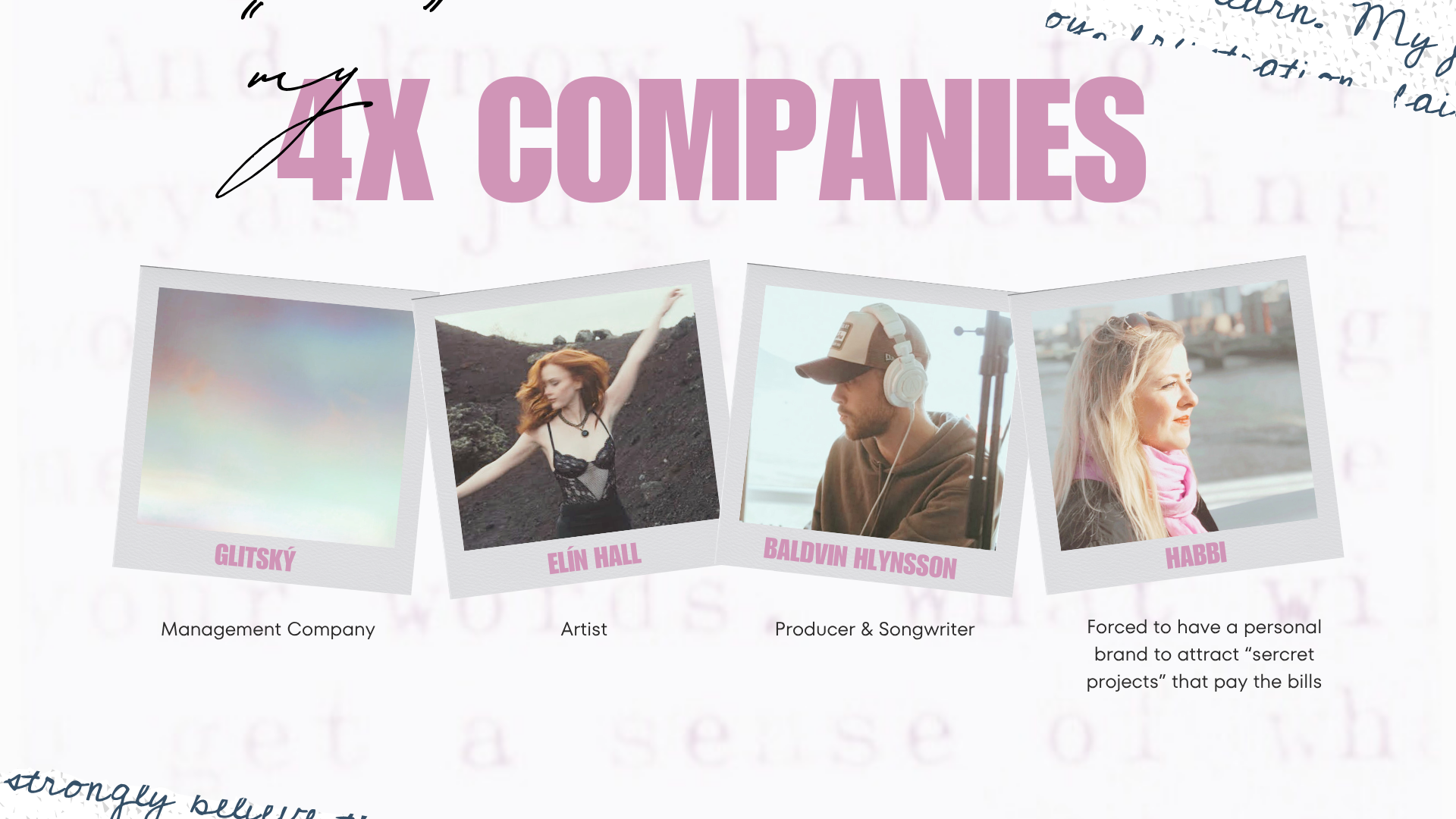
Management Company: GLITSKÝ
Artist: Elín Hall
Producer: Baldvin Hlynsson
Personal Brand: Habbi
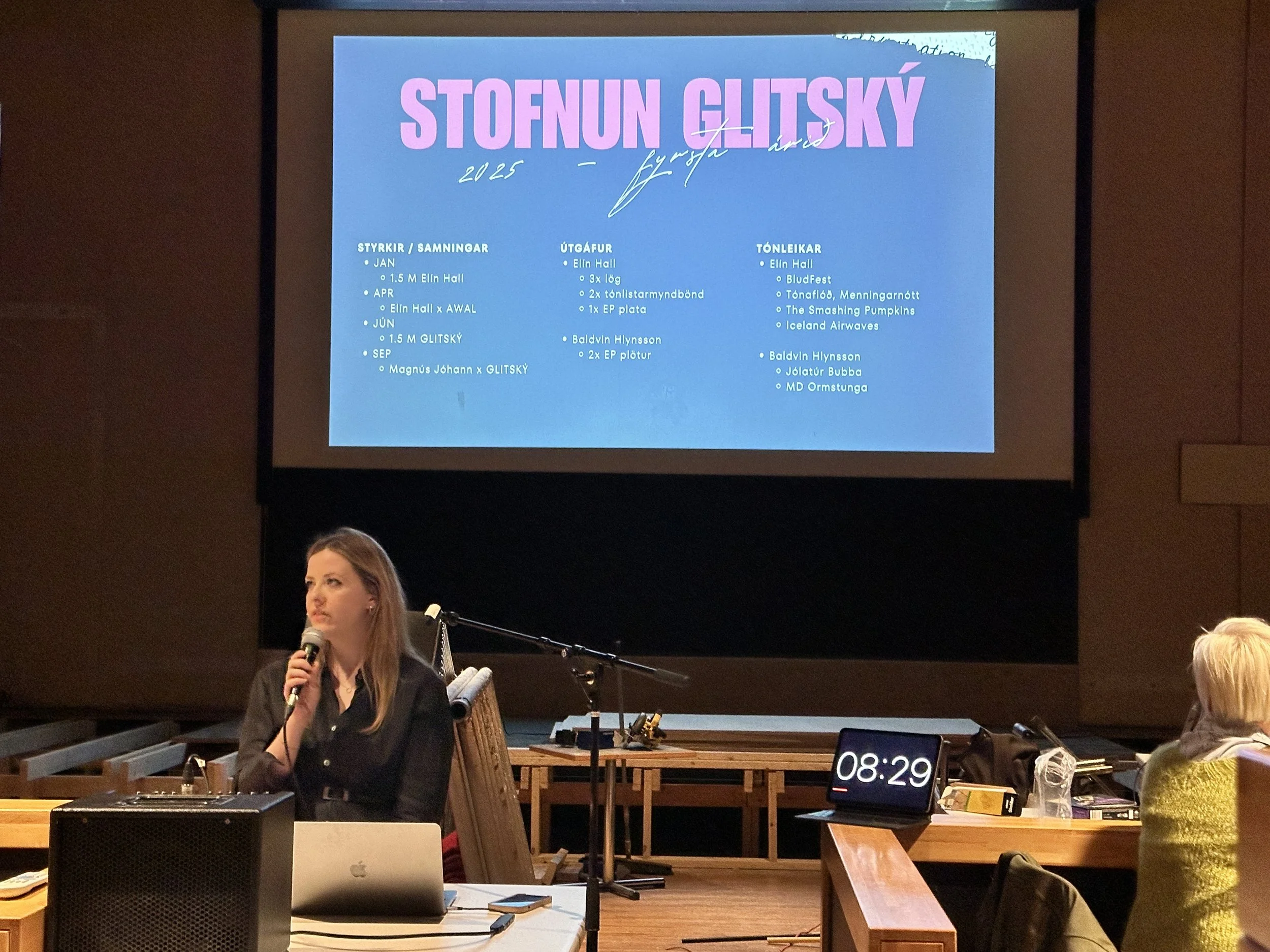
2025 – Year Overview
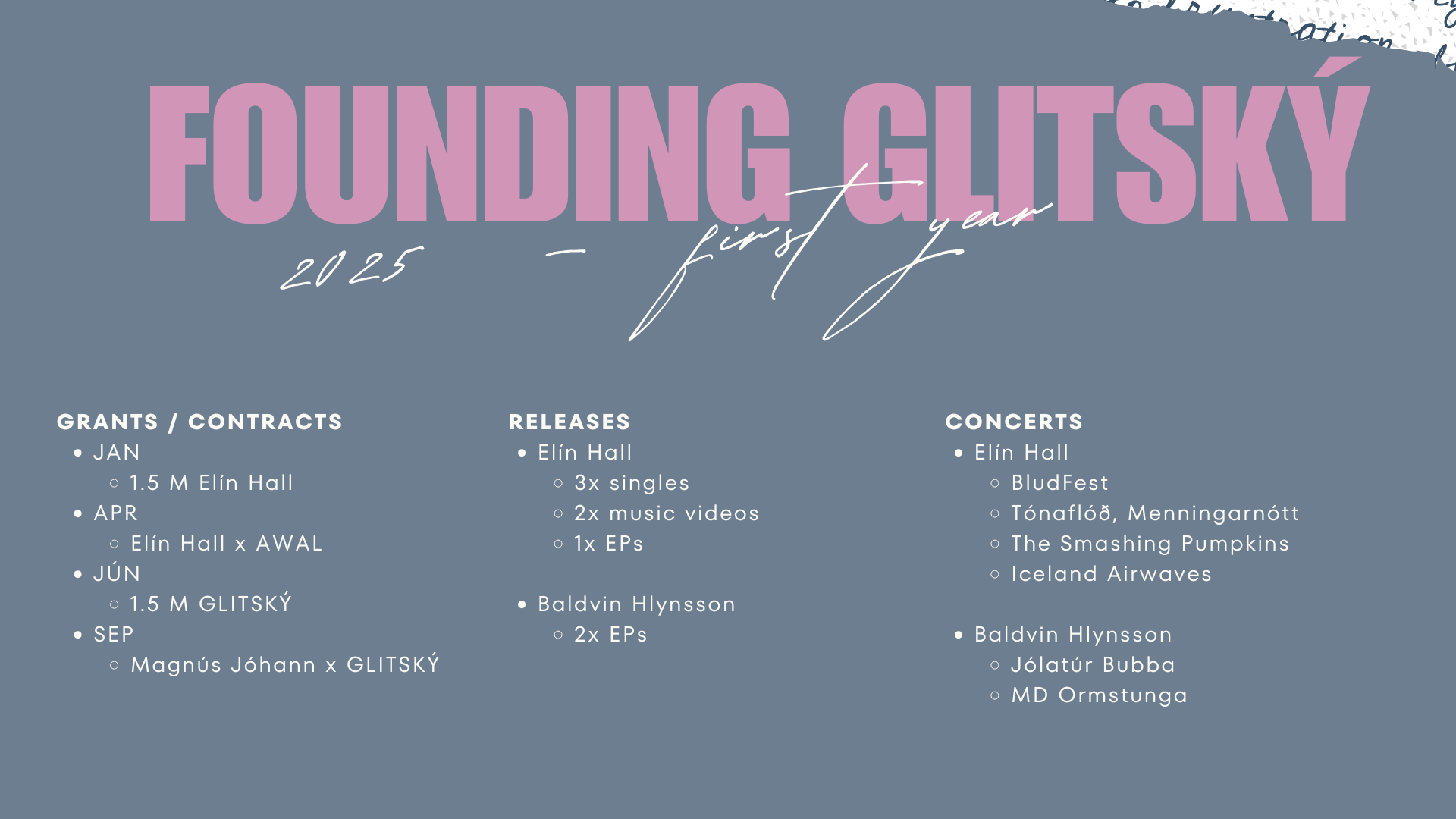
For those who don’t know anything about music – it’s the same as any business. It requires funding, collaborators, product launches. Then it has the added layer of live events and an extremely competitive and noisy market place.
Most of the businesses in music need to balance their cash flow with long-term investment projects mixed in with something that pays the bills this month.
Nothing matters more than the story, the brand, the connections and the momentum. Aside of course from the product being good and never running out of money.
Now do that times four. Boot-strapped.
You can see why the AI taking over my job won’t arrive a day too soon.
To break it down, I asked ChatGBT to analyse how I used it.
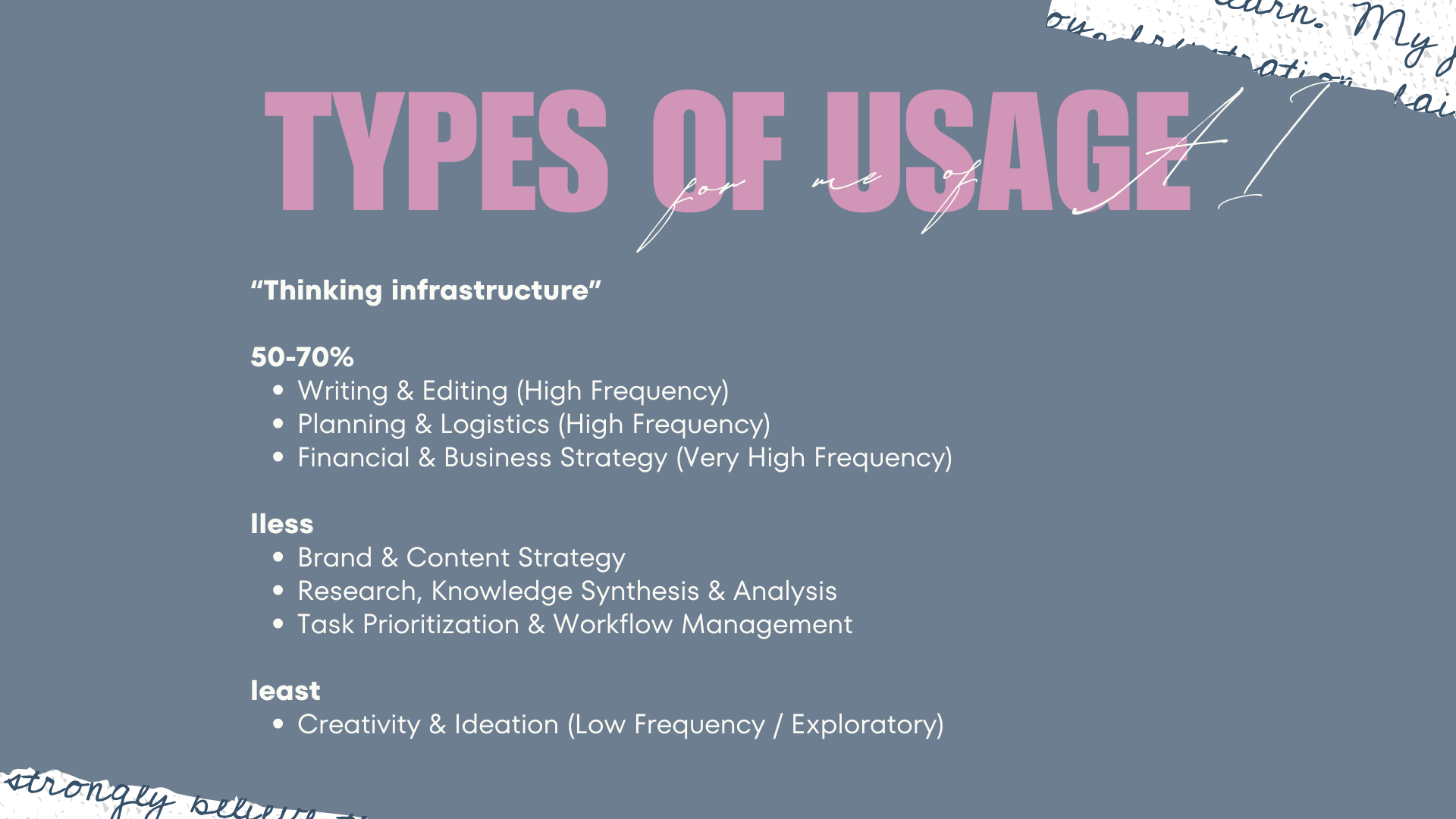
My most common use case was as “thinking infrastructure”.
50-70% – “Thinking Infrastructure”
I am thinking through something and I throw what I got into the machine and see what it comes up with.
I almost never accept its first option. I keep pushing back on what it says, and ask it to refine it. To me, the robots are like an intern. They can save you the heavy-lifting, but you need to be extremely clear on what you’re asking for – and monitor the output.
20-25% – Writing & Editing
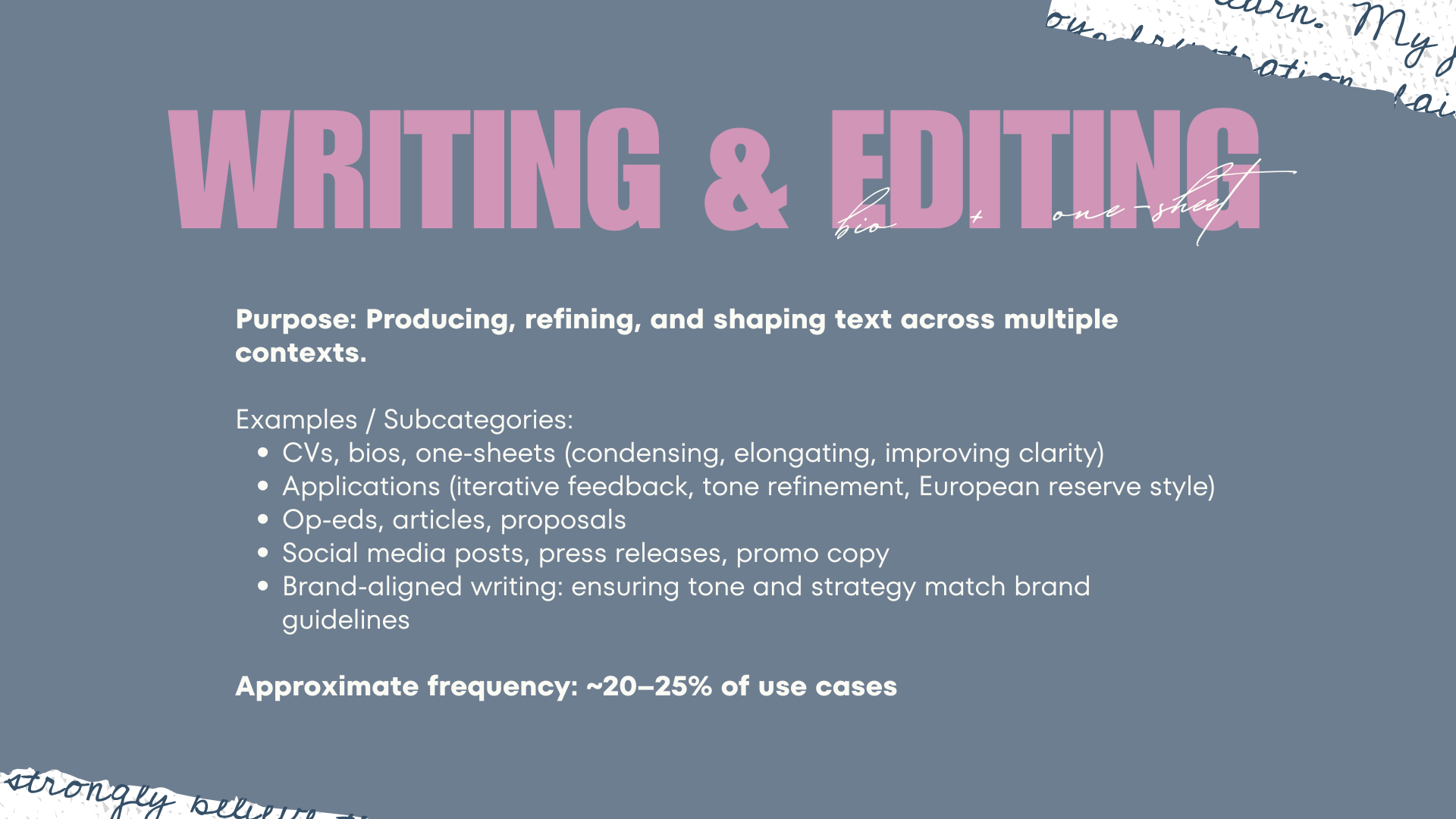
It’s maybe not a surprise that since so much of my work is writing in one sense or another, that I use the AI a lot to help me with the process.
What I’ve realised is that it can’t come up with an angle, and it can’t make the writing good – but it’s a great muscle to have to rewrite, simplify, get the correct framing for applications etc.
Of course I have prompts to ensure the outcome is not so AI-like (my favourite one is to ask it to write “European reserved” as opposed to the over-eager American hype-style it often defaults to).
15-20% – Planning & Logistics
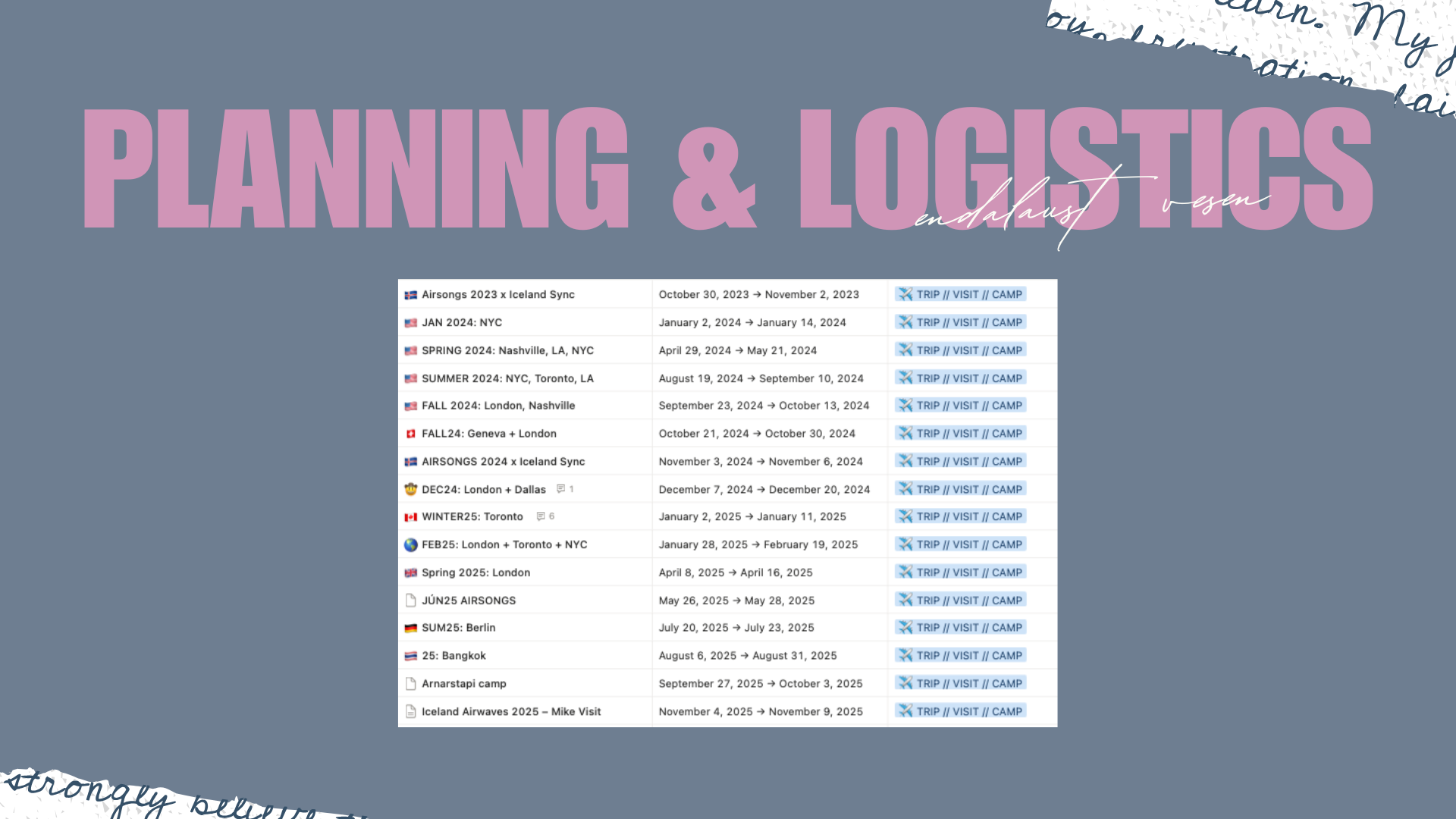
so. much. travel.
between me and the roster we are like the living embodiment of the Johnny Cash song. Between us we’ve been to at least Montréal, Toronto, Los Angeles, Dallas, Nashville, New York, Long Island, London, Paris, Warsaw, Geneva, Copenhagen, Thailand in 18 months.
Every trip needs an objective, so many meetings, sessions, concerts, shows, and of course the logistics. I can explain how I keep track of all these trips and contacts in a different post, because each of us have cumulated hundreds of contacts.
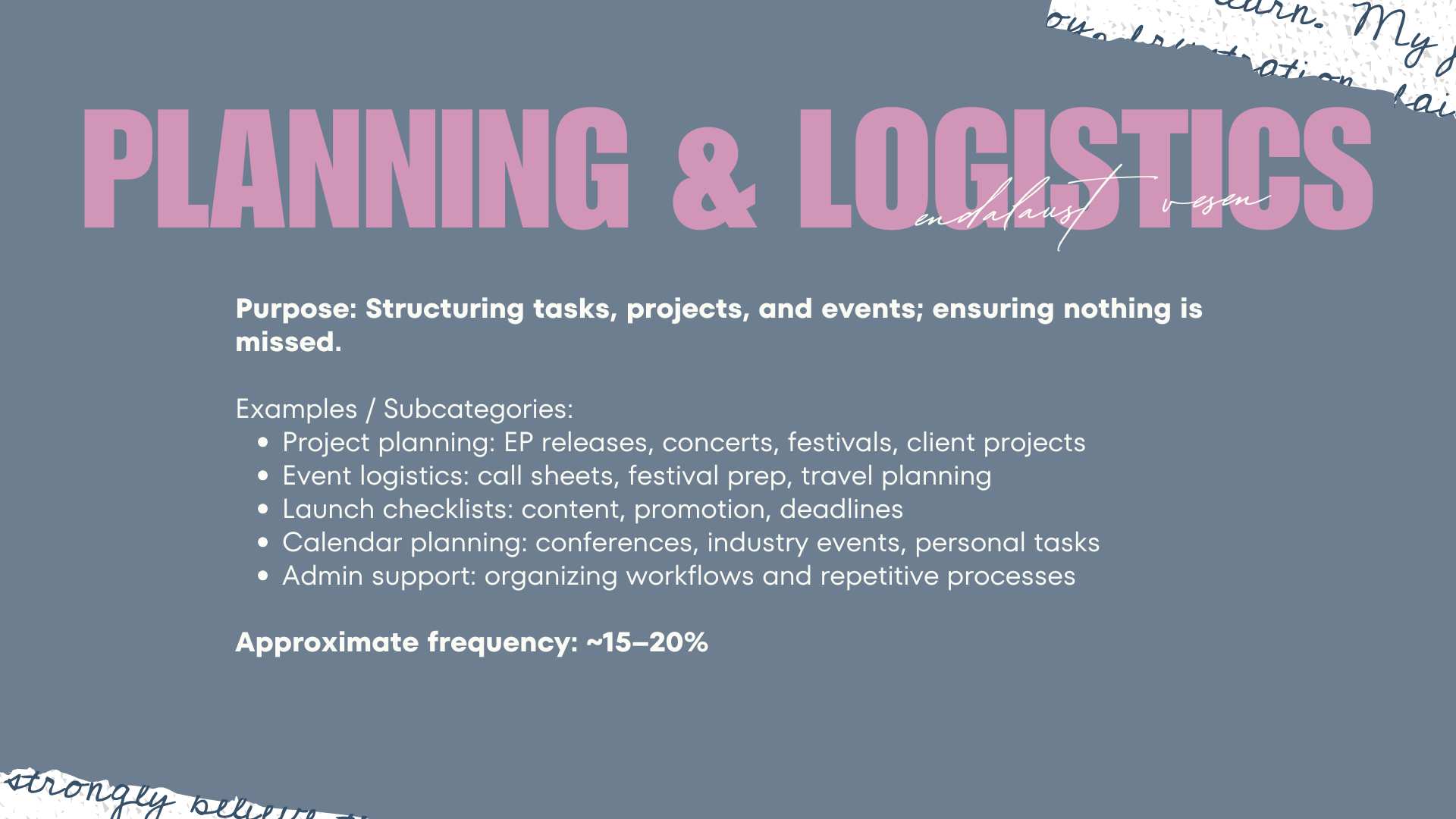
20-25% – Financial & Business Strategy
how much should it all cost?
as anyone who’s ever started a business knows, pricing is one of the hardest parts to figure out.
to me the robots are like the average of all human knowledge. so when I know a lot about something (writing), I take their okay output and improve it myself to make it amazing. when I don’t know a lot about something (pricing strategy) I use the AI to make my offers competitive in the market place.
But as you can tell, you can never fully trust it – as it was indeed the robots that helped me put this analysis together and if you’ve been paying attention you can see that the percentages add up to a minimum of 105%.
so. grain of salt y’all.
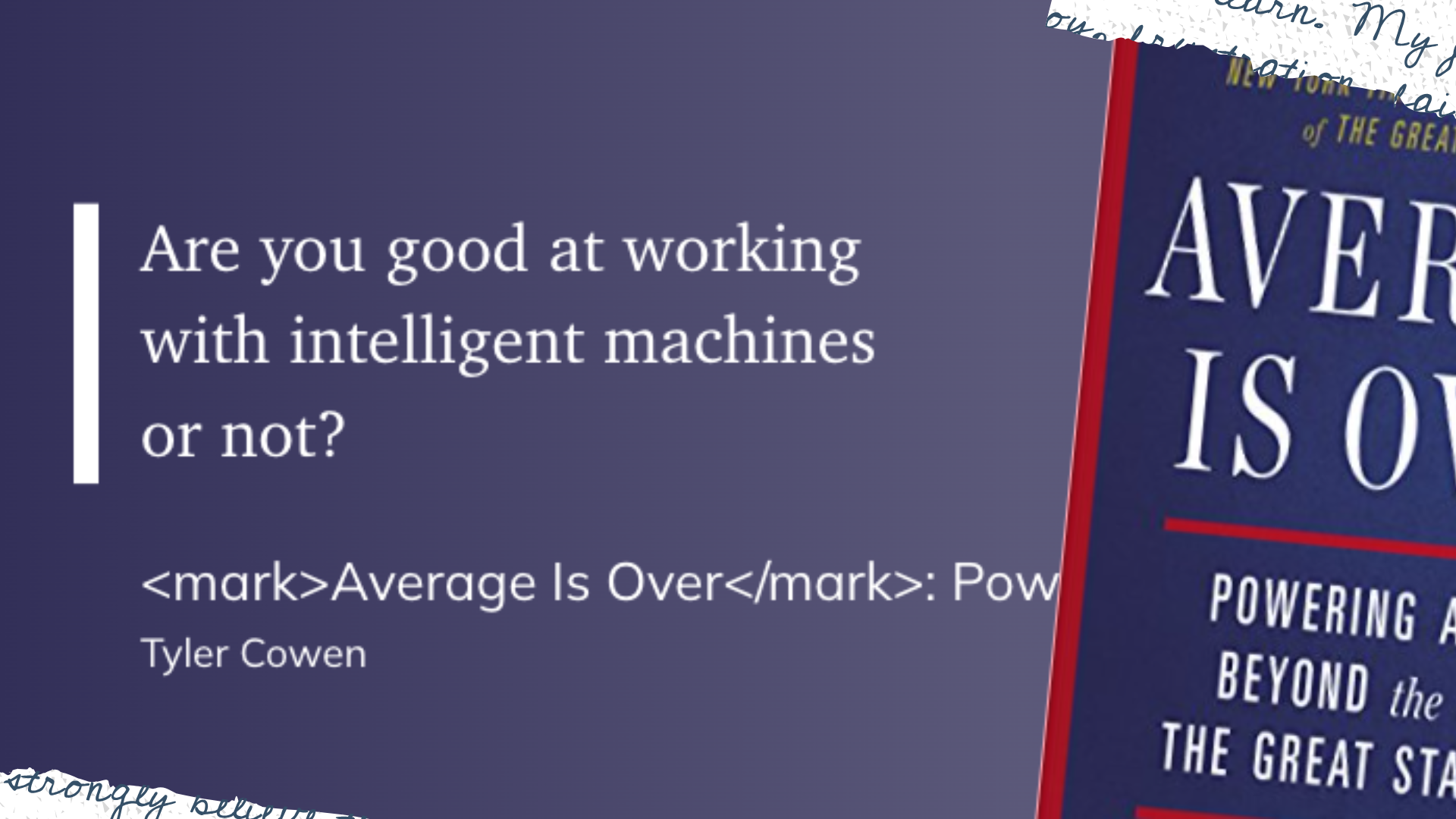
incredibly top-of-mind through this rapid development is this book I read years ago how “the winners of the future” are the ones who can work with the technology.
it’s not us vs the robots. it’s us AND the robots. and if you don’t get that, you’ll be left behind. I get more into it in this essay: “Average Truly Is Over – how to operate within the terrifying trends of today’s work”
The basic model [of this new reality] favors people who can blend computer expertise with an understanding of how to communicate with other people.
All work is becoming a task of communication; whether it is with your team, your management, your audience, your customers. And now even: with your preferred LLM.
because despite what they say, this is what my phone looks like – every day.
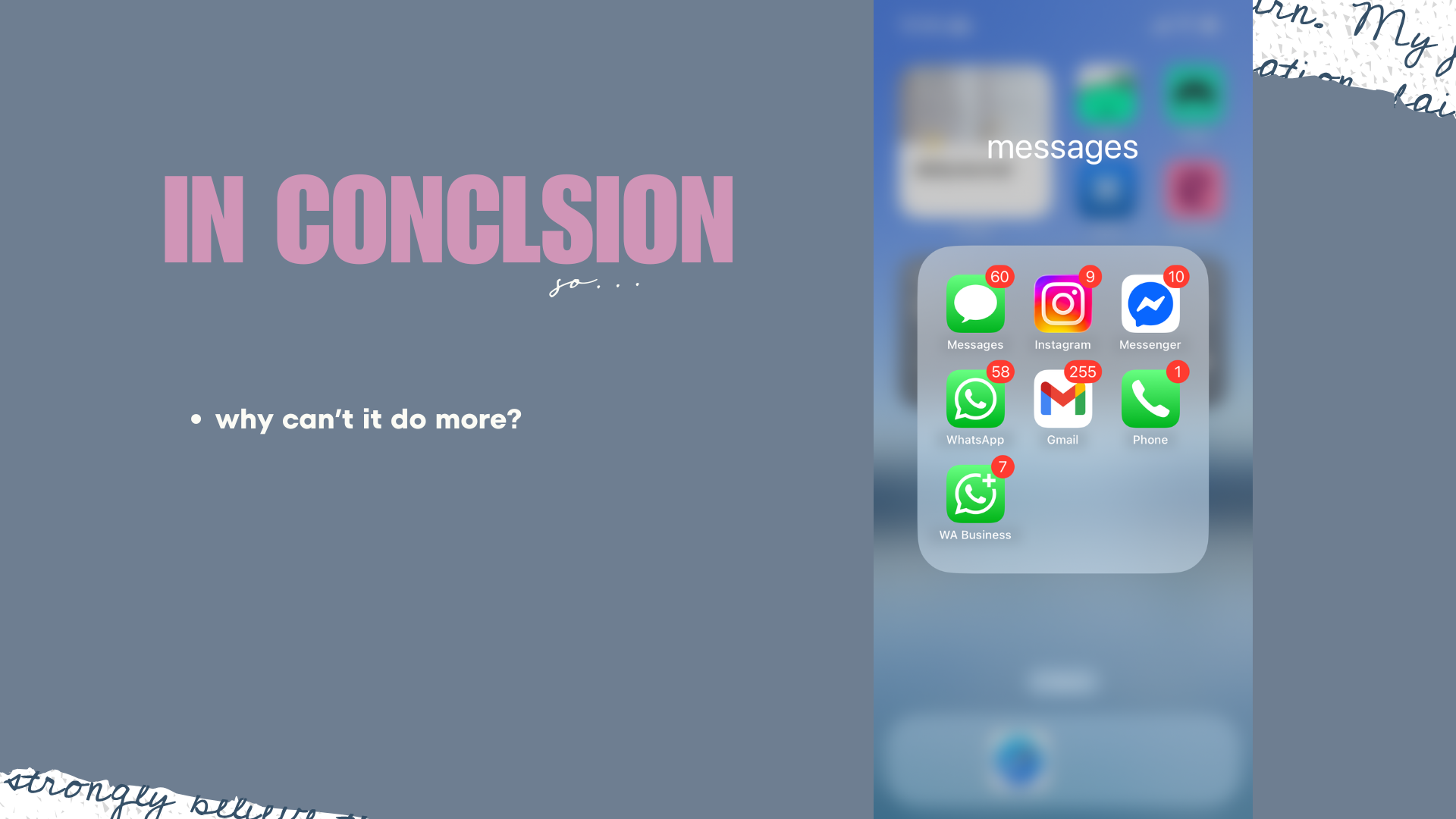
feels like an awful lot of manual labour.
that I can’t wait to get off my hands.